
Serving, Listening, Building Towards Our Future
Perspectives of a part-time cofounder

I wear a couple of hats these days. By day, I lead tech-venture support at StartHub Africa, helping founders turn promising ideas into investable, scalable startups. By night (and many lunch breaks), I serve as a part-time co-founder at Palli, rolling up my sleeves to solve the same gritty challenges we advise other startups through. The idea is to move from abstract advice to hands-on support that proves what’s possible and helps founders test and set up systems. The notes that follow are a quick reflection on what I have been up to lately.

Serve, Listen, Act.
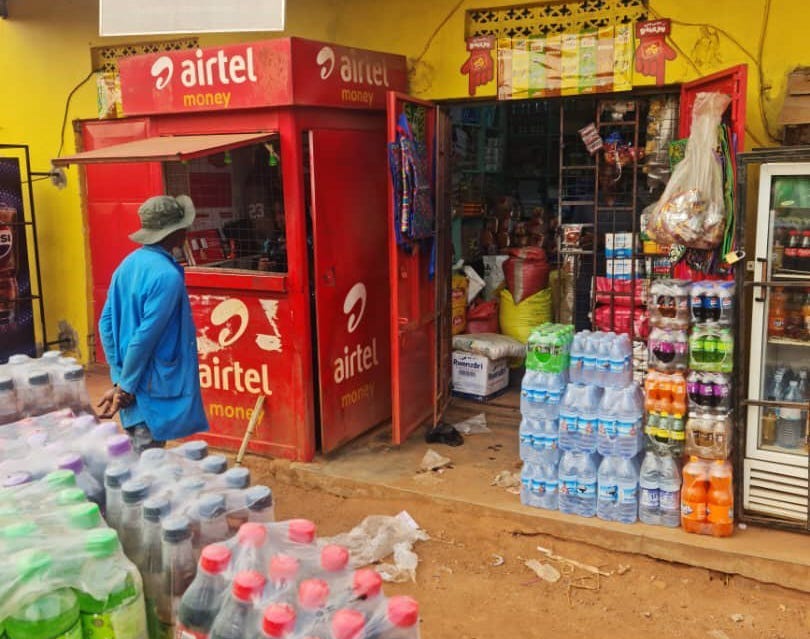
When you want your favorite beverage in Kampala, you head to the mom-and-pop shop down the street. Sometimes it's stocked, sometimes it isn't. At first glance, this seems minor, just a common shortage. But for that small shop, it represents a missed opportunity at precisely the moment demand arises. These lost opportunities accumulate quietly, reflecting unmet market demand that ripples through the entire supply chain, impacting retailers, stockists, distributors, and manufacturers.
Initially, we believed the problem was primarily cash flow or capital. Early tests, however, took us deeper. We uncovered operational leaks quietly eroding profitability, hidden even from the business owners themselves. Distributors had limited visibility into real customer needs. Salespeople spent their days managing cash and chasing payments rather than selling, bogged down by non-sales tasks.
To truly understand, we knew we had to get close, to serve first by observing reality directly. None of us had experience as depot salespeople or wholesale stockists. So, aligning with our core principle of serving customers directly, we partnered with one of our distributor customers, and I joined their sales team for a day.

Riding Alongside Joseph
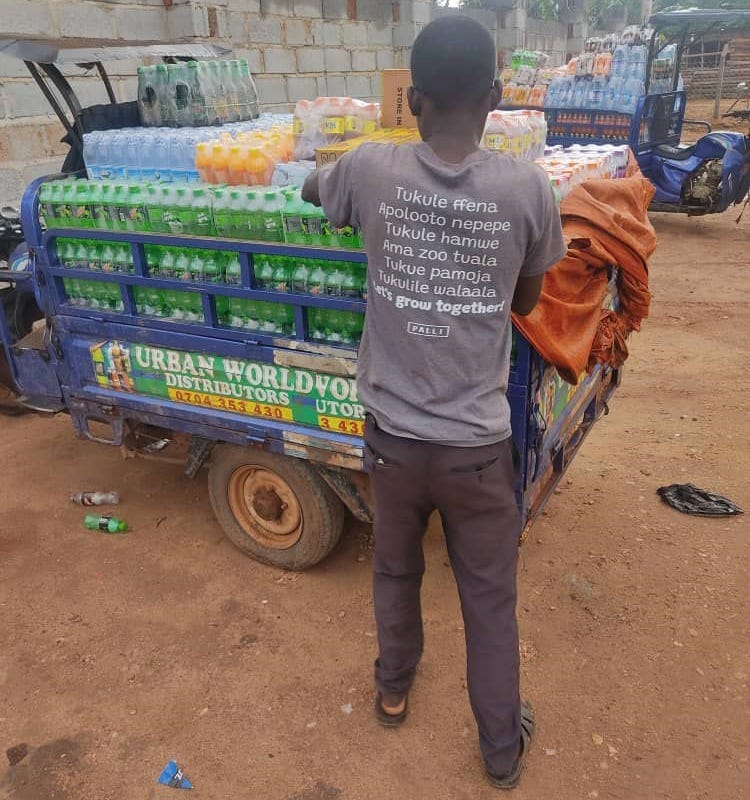
Observing operations through Joseph’s eyes transformed our understanding. From sunrise, loading crates onto his tuk-tuk, traveling over 50 kilometers of rough roads, visiting nearly 60 shops, and collecting 1.6 million UGX in cash, I witnessed interactions often invisible even to business owners.
At one stop, after unloading several cases of soda, Joseph wrote out a receipt. Watching carefully, I counted mentally alongside him. The total fell off by about ten dollars. Joseph rechecked and confirmed the error—a cost he would personally cover later. We understood firsthand how easily small mistakes happen amidst hurried calculations.
I also saw Joseph arrive at shops needing goods, yet unprepared with cash, at his unexpected arrival. These interactions—the urgent needs, sales opportunities, and local buying patterns—existed solely in Joseph’s memory. As he bluntly put it, “If I quit tomorrow, nobody else knows.”
Taking Action on Cash Risks
Directly witnessing these problems clarified the need for immediate action. Riders traditionally carried money for hours, creating risks of theft or counting errors. We tested an immediate mobile-money deposit solution after each sale, logging each transaction instantly in a shared Google Sheet visible to the distributor in real-time via WhatsApp.
In a twelve-day pilot, Joseph made 69 deposits totaling 19.2 million UGX, each completed in under seven minutes. The distributor’s nightly cash reconciliation dropped sharply from twenty minutes to five. Normally, the manager waited until late to reconcile cash and receipts. Now he could easily verify digital records before Joseph’s return. Joseph appreciated this simplicity but pointed out it cost him valuable selling minutes, potentially losing sales to competitors carrying immediate cash.
Listening Deeper, Acting Clearly
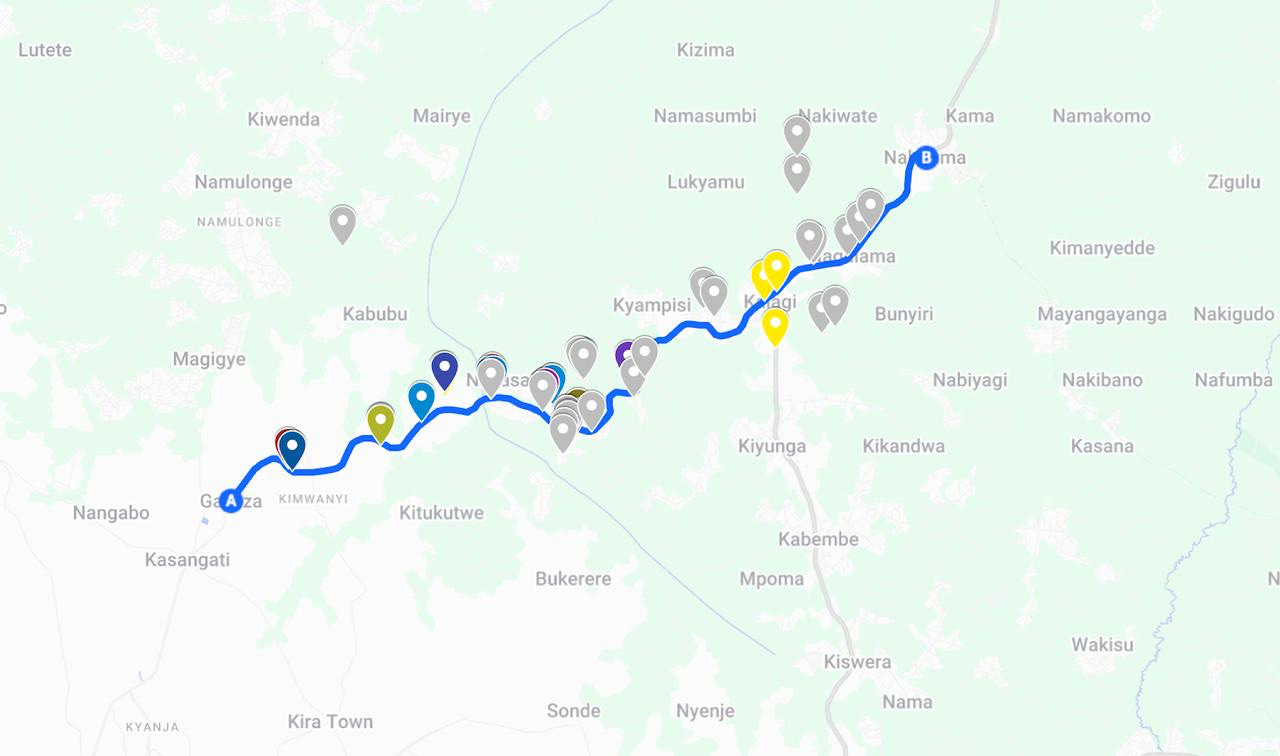
While serving alongside Joseph, we also documented every sales interaction and tracked our routes, revealing the dense yet invisible end of local distribution. The data didn't just highlight cash issues—it revealed overlooked market demands and inefficient route repetitions.
Listening carefully to feedback, two needs emerged clearly. Business owners wanted certainty—they needed predictable deliveries and clear visibility into their market performance. Joseph and other sales agents, meanwhile, prioritized speed and ease. Any friction directly impacted their ability to sell effectively.
Initially, we built a payment solution accommodating unexpected interactions. Yet local resistance showed us the deeper pull was around reliability and predictability. When we suggested proactive notifications for retailers about upcoming deliveries—a common practice elsewhere but unheard of in Uganda—one retailer bluntly replied, "It’s a great idea. But don’t get our hopes up!"
This taught us clearly that visibility isn't valuable unless it translates into dependable, actionable information. Serving and listening had pointed us toward building systems that make arrivals predictable, enabling businesses and salespeople to prepare properly and seize each sales opportunity.
Why It Matters
For Joseph, optimized routes and predictable interactions mean less frustration and more selling time. For Mark, his manager, the new visibility turned guesswork into precise management, linking routes, fuel, and inventory directly to sales performance.
By serving first, listening closely, and taking deliberate action, distributors tighten margins, boost sales, and strengthen fragile supply-chain connections. Riders like Joseph gain precious extra selling minutes. Retailers receive stock reliably. Customers consistently find their favorite beverages.
We continue adding trackers, refining payments, and translating opaque operations into clear insights. With every new lesson, we reaffirm our commitment to serving, listening, and acting—building solutions anchored firmly in the reality our customers live every day.
We remain on this road, learning and refining as we go.
Tukule Ffena!!!